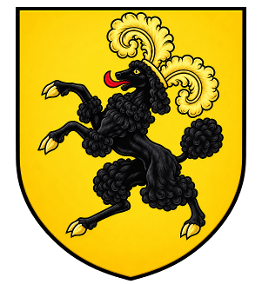
The Republic of Zargoza
| Official Name: | The Republic of Zargoza |
| Ruler: | Duke Leo |
| Government: | Oligarchy |
| Capital: | Zargoza |
| Major Towns: | Primell |
| Resources: | Silver, Iron, Ship Building & Trade |
| Population: | 158,000, 90% human 10% mixed |
| Languages: | Common, Dwarven & Elven |
| Common Alignments: | Neutral, Lawful Neutral, Neutral Good |
| Major Religions: | Zilchus (LN), Pelor (NG), Osprem (LN) |
| Enemies: | Hierarchy of Ludoc |

“Everything has a price in Zargoza: except a man.”
At the southern tip of the Calagarn Peninsula, where the waters of the Indertsa Sea meet some of the busiest trading routes in Warlderia, lies the Republic of Zargoza. Wealthy, independent and fiercely proud, Zargoza is a nation built upon commerce. Its ships can be found in almost every major harbour, its merchants trade across political and religious boundaries, and its silver coins are accepted in lands where the Republic itself is regarded with considerable suspicion. Zargoza is a republic in name, although few would describe it as a democracy. Real power rests with a small number of enormously wealthy merchant families whose representatives dominate the State Council. From among their number the Council chooses the Duke of Zargoza, who serves as the public head of the Republic. The present holder of the office, Duke Leo (pictured), must therefore rule not as an absolute monarch but through negotiation, patronage and the careful balancing of powerful commercial interests.
Trade lies at the heart of almost every aspect of Zargozan life. Silver and iron enrich its merchants, its shipyards produce vessels for both domestic and foreign buyers, and warehouses crowd the waterfronts of its great ports. Zargozan merchants are famously willing to trade with almost anyone. Old enemies, foreign religions and distant peoples are generally regarded as opportunities rather than threats, provided they arrive with something worth buying or selling. Even the great rivalry between the Divine Empire and the Old Empire has proved profitable, with Zargoza maintaining sufficient independence from both to conduct business across the divide.
This commercial openness has made Zargoza unusually cosmopolitan. Foreign sailors, merchants, craftsmen, adventurers and exiles are common sights in its streets. Temples stand beside counting houses, warehouses and guild halls, while a dozen languages might be heard during a morning's walk through the harbour district. Wealth is displayed openly and success is admired. An ancient family name carries prestige, but in Zargoza a sufficiently large fortune can open doors that noble birth alone cannot. Yet Zargozan society should not be mistaken for an egalitarian one. The gulf between the great merchant dynasties and the labourers who crowd the poorer districts can be immense. Political influence is routinely traded through favours and patronage, commercial rivals can be merciless, and Zargozan creditors have little sympathy for those unable to honour their debts. The Republic prides itself upon freedom, but it is a hard and competitive freedom in which failure can be ruinous.
There is, however, one practice upon which Zargoza permits remarkably little compromise: slavery. No person may legally be held as property within the Republic. A slave brought onto Zargozan soil is considered free, regardless of the laws or customs of the land from which they came. Foreign merchants have discovered, sometimes at considerable expense, that Zargozan courts take this principle seriously. The policy has caused repeated disputes with foreign powers and slave-owning merchants, but attempts to persuade the State Council to weaken it have consistently failed. For all its wealth, Zargoza is not universally loved. Its merchants are accused of arrogance, its politicians of corruption and its diplomats of treating international affairs as little more than another marketplace. Nowhere is resentment stronger than in Ludoc, which has never forgotten its defeat at Zargozan hands or the loss of Primell. Ludoc hates the Republic with a passion, but for many years that hatred has been restrained by something stronger: fear.
Zargoza defeated Ludoc once. Few Ludocians have been eager to discover whether it could do so again. The recent emergence of New Ludoc, however, has introduced an unfamiliar element into this old rivalry. The Republic knew how to deal with the cautious, resentful rulers of the old regime. Lord Tristan and the new order surrounding him are something different. For the first time in many years, Zargozan eyes are watching the northern border not with confidence, but with curiosity — and perhaps the beginnings of concern.
History of the Republic
The history of Zargoza has always been tied to the sea. Long before the creation of the present Republic, settlements along the southern Calagarn Peninsula prospered as stopping points for ships travelling through the Indertsa Sea. Sheltered harbours, access to silver and iron, and a position between major trading powers allowed the region to grow wealthy through commerce rather than conquest. For much of its early history Zargoza existed beneath the shadow of greater powers. Empires rose and declined around it, armies marched across the peninsula and distant rulers periodically claimed authority over its towns. Yet the merchant families who controlled the ports proved remarkably adept at surviving political change. Taxes were paid when necessary, privileges purchased when possible, and allegiance offered with considerably more enthusiasm when backed by profitable trading concessions.
As central authority weakened, these wealthy families increasingly governed Zargoza themselves. Merchant guilds assumed responsibilities once belonging to royal officials, private fortunes paid for harbour defences and ships, and councils created to administer trade gradually became institutions of government. By the time the old political order finally disappeared, there was little need for a revolution. The merchants were already running the country. From this arrangement emerged the Republic of Zargoza.
The Rise of the Merchant Houses
Power within the new Republic quickly concentrated around a number of wealthy families. These houses had made their fortunes through shipping, mining, banking, shipbuilding and overseas trade, and they had little intention of surrendering control to either a hereditary monarch or the wider population. The State Council became the centre of Zargozan government. From amongst the leading families a Duke was chosen to represent the Republic, command its forces and conduct its affairs abroad. The title deliberately retained something of the dignity of the old aristocratic world, but the office itself was dependent upon the Council. This arrangement proved remarkably durable. Families rose, declined, married, quarrelled and occasionally ruined one another, but the Republic survived. No single house was permitted to dominate indefinitely because its rivals could usually be relied upon to combine against it. Zargoza learned early that competition, properly managed, could be a form of stability.
The Growth of Zargozan Power
As the Republic became richer, its influence spread far beyond the Calagarn Peninsula. Zargozan ships carried metals, manufactured goods and luxury wares throughout the Indertsa Sea, returning with foreign goods for redistribution through the Republic's markets. Trade brought influence. Influence brought privileges. Privileges brought still greater wealth. Rather than attempting to create a vast territorial empire, Zargoza generally preferred ports, trading rights and favourable agreements. A harbour that welcomed Zargozan ships was often more valuable than a province that had to be occupied and defended. This did not mean that the Republic was unwilling to use force. Zargoza simply preferred its wars to have a clearly identifiable return.
The War with Ludoc
The greatest demonstration of this philosophy came in the Republic's conflict with Ludoc. Relations between the two states had long been difficult. Competition over trade, territory and influence eventually developed into open war. Ludoc entered the conflict confident that its traditional military strength would prevail against a nation of merchants. It was badly mistaken. Zargoza possessed the wealth to sustain a prolonged conflict, maintain its fleets, purchase supplies and employ experienced soldiers when required. The Republic did not need to destroy Ludoc. It merely needed to remain capable of fighting longer than Ludoc could afford to continue.
The resulting Zargozan victory transformed relations between the two states. Most painfully of all for Ludoc, Primell passed into Zargozan hands. The loss has never been accepted emotionally by the Ludocians. Generations have grown up hearing that Primell was stolen from them, while Zargozans regard the matter as having been settled by war and subsequently confirmed by possession. For the Republic, Primell is territory. For Ludoc, it is a grievance. The defeat created the peculiar relationship that endured for years afterwards. Ludoc despised Zargoza, denounced its merchants and dreamed of recovering what had been lost. But Ludoc also feared it.
Leosandria
Zargozan ambition eventually carried the Republic beyond the peninsula altogether. Merchants established themselves in distant Kylma, and from these ventures grew the Zargozan possession of Leosandria.
At first Leosandria appeared to demonstrate everything the Republic did best. Trade flourished, fortunes were made and Zargozan influence extended into markets previously beyond its easy reach. Distance, however, has proved troublesome. Leosandria has developed interests and an identity of its own. Its leading citizens increasingly resent decisions made by men hundreds of miles away, while some members of the State Council question how much blood and treasure should be spent maintaining authority over a possession whose loyalty is becoming uncertain. Officially, Leosandria remains Zargozan. In practice, the matter is becoming rather more complicated.
Zargoza Today
The modern Republic stands near the height of its prosperity. Its ships travel throughout the Indertsa Sea, its merchants operate in both Imperial spheres, and its treasury gives a relatively small nation influence far beyond what its population might suggest. Yet prosperity has created new problems. The great merchant families compete ever more fiercely for influence. Leosandria grows increasingly independent. Primell remains a source of permanent hostility with Ludoc, and the political transformation taking place beyond that border has unsettled assumptions that have guided Zargozan policy for years. Zargoza has survived emperors, wars, commercial disasters and generations of political intrigue because its rulers have always understood one fundamental principle: circumstances change, and those who recognise the change first usually profit from it. The State Council is now beginning to wonder whether the world around Zargoza is changing once again.

Government and the State Council
Zargoza proudly calls itself a Republic, although political power is concentrated in the hands of a comparatively small number of wealthy families. There is no hereditary king, and even the Duke of Zargoza holds his position only through the confidence of the State Council. To Zargozans this distinction is important. They consider themselves citizens rather than subjects and frequently contrast their system with the hereditary monarchies that dominate much of Warlderia. Critics are less impressed. A common foreign description of Zargoza is that it has simply replaced rule by those with the oldest bloodlines with rule by those possessing the largest purses. There is some truth in the accusation.
The State Council
The State Council is the supreme political institution of the Republic. Its membership is dominated by the great merchant families, together with representatives of the most important commercial, maritime and financial interests of Zargoza. The Council determines taxation, approves major expenditure, regulates foreign trade, negotiates treaties and ultimately decides matters of war and peace. It also oversees the Republic's possessions and appoints many of the senior officials responsible for administering Zargozan territory. Council sessions are famously argumentative. Alliances form and collapse according to the issue being discussed, and two families bitterly opposed over shipping rights may find themselves allies the following morning over taxation. This is regarded not as a weakness but as an essential feature of the Republic. Zargozans are deeply suspicious of any politician who attracts too much unquestioned support.
The Duke of Zargoza
At the head of the Republic stands the Duke of Zargoza, presently Duke Leo. The Duke is elected by the State Council and serves for one year before facing another election. There is no prohibition against repeatedly electing the same individual, and successful Dukes have sometimes remained in office for many years. Nevertheless, every Duke knows that his authority ultimately depends upon maintaining sufficient support amongst the Council. The office carries considerable power. The Duke represents Zargoza abroad, oversees diplomacy, commands the Republic's military forces and presides over the State Council. During emergencies he may act with considerable freedom, particularly when delay would threaten the security of the Republic. He is not, however, a king. The Council controls the purse, and in Zargoza control of the purse is very nearly control of everything. A Duke who persistently ignores the interests of the Council may discover at the
Duke Leo has proved unusually successful at navigating the competing interests of the Republic. He is a merchant and politician rather than a warrior, comfortable negotiating across a table and perfectly willing to allow an opponent to believe he has won something if the final agreement favours Zargoza. His supporters regard him as cautious, intelligent and dependable. His enemies generally use exactly the same words but with considerably less affection. Leo's continued position rests upon his ability to avoid becoming identified too closely with any single faction. He understands that the Duke who becomes the creature of one merchant house immediately gives every rival house a reason to remove him. His greatest concern is therefore rarely defeating his opponents. It is preventing them from uniting against him.
Politics as Commerce
Zargozan politics is conducted much like Zargozan business. Favours are exchanged. Marriages create alliances. Loans are offered to promising political allies. Commercial concessions can secure votes, while an inconvenient inspection of warehouses may remind an opponent of the advantages of cooperation. Outright bribery is officially illegal. The distinction between bribery and the normal exchange of favours is, however, the subject of considerable philosophical debate amongst Zargozan lawyers. Political disputes are usually settled through negotiation, patronage and commercial pressure rather than violence. Murdering a political rival is regarded as crude, dangerous and potentially disastrous for business. Ruining him financially is considerably more respectable.
The Great Families
Behind almost every major decision stand the Great Families of Zargoza. Some possess mines. Others own shipyards, merchant fleets, warehouses or banking houses. Several have commercial interests stretching across the Indertsa Sea. Their rivalries can continue for generations, although even the bitterest enemies will usually cooperate when the wider prosperity or independence of Zargoza is threatened. Membership of this elite is not completely closed.
A sufficiently successful merchant family can rise into its ranks, although established houses rarely make the process easy. Conversely, an ancient family that loses its fortune may retain its prestigious name while watching its political influence disappear remarkably quickly. In Zargoza, ancestry may earn a man an invitation to dinner. Money determines where he sits.
The People and the Republic
Ordinary Zargozans possess considerably greater personal freedom than the inhabitants of many neighbouring states, but considerably less political influence than the word Republic might suggest. Local councils, guilds and neighbourhood organisations provide some opportunity for participation, and wealthy citizens outside the Great Families can exert considerable influence through commercial organisations. The poorest inhabitants, however, have little direct say in the decisions of the State Council. Curiously, this causes less resentment than foreigners sometimes expect. Most Zargozans do not judge their government by whether every citizen has an equal voice. They judge it by whether the harbour is busy, the markets are full, the sea lanes remain open and opportunities exist for an ambitious person to prosper. When trade is good, the State Council is generally considered wise. When trade is bad, Zargoza suddenly develops a remarkable number of constitutional experts.
The Council and New Ludoc
For generations, policy towards Ludoc was straightforward. Ludoc hated Zargoza and wanted Primell returned, but fear of another defeat kept that hostility within predictable limits. The emergence of Lord Tristan's New Ludoc has disrupted that comfortable assumption. Some councillors believe the change presents an opportunity. A more stable and outward-looking Ludoc could become a valuable trading partner, and improved relations might finally reduce the tensions surrounding Primell. Others are considerably less optimistic. The old Ludoc was hostile, but predictable. Its weakness was understood and its ambitions were familiar. The new government enjoys growing popular support, appears energetic and is associated with men whose recent exploits have already earned them reputations beyond Ludoc itself. The State Council has therefore adopted the most traditional of Zargozan responses to uncertainty. Trade with them. Talk to them. Watch them.
The Great Families of Zargoza
Although hundreds of merchant families possess wealth and influence within the Republic, a small number stand above the rest. Collectively known as the Great Families, these dynasties dominate the State Council and control much of Zargoza's trade, finance and industry. Their fortunes have risen and fallen over the centuries. Some trace their wealth back to the earliest days of the Republic; others are comparative newcomers who forced their way into the highest levels of society through commercial success. The Great Families are rivals, sometimes bitter ones, but they share an understanding that their fortunes ultimately depend upon the continued independence and prosperity of Zargoza. They may happily ruin one another in business, but a foreign power threatening the Republic will usually discover how quickly Zargozan disagreements can be forgotten.
House Leonara — The Ducal House
The family of the present Duke Leo, House Leonara has extensive interests in overseas trade, property and finance. Its wealth is substantial without dominating any single industry, allowing the family to present itself as an intermediary between more specialised commercial factions. This has been one of Duke Leo's greatest political advantages. House Leonara cultivates an image of moderation and public service. Its rivals occasionally suggest that this is simply another commercial strategy, and a remarkably successful one. The house favours political stability, continued trade with both Empires and caution in dealing with New Ludoc.
House Vassaro — Masters of the Sea
Few names carry greater weight along the Zargozan waterfront than Vassaro. The family owns merchant vessels, warehouses, docks and interests in trading companies operating throughout the Indertsa Sea. Generations of Vassaros have served as admirals, harbour officials and overseas representatives of the Republic. They are enthusiastic supporters of a powerful navy and argue that Zargoza's prosperity ultimately rests upon control of the sea lanes. House Vassaro regards Ludoc with contempt rather than fear. As one elderly member of the family supposedly remarked: “If Ludoc wishes another war, we shall be pleased to sell them the timber with which to build their coffins.”
House Bellanzo — Silver and Iron
The wealth of House Bellanzo comes from the earth. Its mines and foundries produce much of the silver and iron upon which Zargozan prosperity was originally built. Bellanzo metal feeds the Republic's workshops, shipyards and armouries, while silver from its mines has financed generations of overseas ventures. The family is conservative by Zargozan standards. It dislikes expensive foreign adventures and believes the Republic should concentrate upon defending its existing possessions and commercial interests. The Bellanzos have particularly strong interests in Primell and fiercely oppose any suggestion that the territory might ever be returned to Ludoc.
House Corvelli — Bankers of the Republic
Where other families own ships and mines, House Corvelli owns debts. Its counting houses provide loans to merchants, landowners and occasionally foreign rulers. Corvelli letters of credit are recognised in ports far beyond Zargoza, and the family has developed an intimidating reputation for remembering precisely what it is owed. The Corvellis rarely speak loudly in the State Council. They rarely need to. There are persistent jokes that half the councillors owe House Corvelli money and the other half hope to borrow some. The family favours peace whenever possible, but is perfectly willing to finance war when the terms are attractive.
House Marcelli — The Shipwrights
The great shipyards controlled by House Marcelli produce merchantmen, fishing vessels and warships for Zargoza and foreign customers alike. Marcelli yards employ thousands of craftsmen and labourers, making the family unusually conscious of popular opinion within the city. Its members cultivate good relations with craftsmen's guilds and frequently fund public works, festivals and improvements to poorer districts. Whether this generosity reflects genuine civic responsibility or excellent political instincts depends largely upon whom one asks. House Marcelli maintains close ties with the Zargozan navy and strongly supports continued investment in the Republic's maritime defences.
House Calvari — The Leosandrian Interest
No Great Family has invested more heavily in Leosandria than House Calvari. Its warehouses handle exotic goods arriving from Kylma, while its ships and agents have spent generations developing commercial networks there. Several branches of the family now live permanently in Leosandria and possess almost as much loyalty to the colony as to Zargoza itself. This has placed House Calvari in an increasingly uncomfortable position. The family publicly supports continued Zargozan authority over Leosandria but privately urges compromise with its increasingly independent inhabitants. Hardliners accuse the Calvaris of divided loyalties. The Calvaris respond that those demanding confrontation generally have very little money invested there.
House D'Arvento — The Old Blood
House D'Arvento predates the Republic. Once landowning aristocrats, the family survived the collapse of the old political order by doing something many of its contemporaries considered beneath them: it went into business. The decision proved inspired. Today the D'Arventos own estates, vineyards, urban property and numerous smaller commercial interests. They retain the manners, titles and elaborate family traditions of the old nobility while participating enthusiastically in the commercial life of the Republic. Other Great Families occasionally mock their aristocratic pretensions. The D'Arventos occasionally remind them that they were wealthy before their ancestors learned to read a ledger.
Rivalries and Alliances
There are no permanent political parties within the State Council. Instead, the Great Families form temporary alliances according to the matter under discussion. Vassaro and Marcelli frequently cooperate over naval expenditure. Bellanzo and D'Arvento generally favour cautious, traditional policies. Corvelli tends to support whatever protects financial stability, while Calvari dominates debate concerning Leosandria. House Leonara, under Duke Leo, attempts to remain somewhere in the middle. This constant shifting of alliances is one reason no family has successfully seized permanent control of the Republic. Every Great House has rivals. Every Great House needs allies. And every Great House knows that today's enemy may be required for tomorrow's vote.

The City of Zargoza
The capital of the Republic is one of the great trading cities of the Indertsa Sea. Built around a magnificent natural harbour at the southern end of the Calagarn Peninsula, Zargoza is a city of ships, warehouses, counting houses, temples, workshops and crowded marketplaces. For many visitors, the harbour provides their first sight of the Republic. Merchant vessels lie several deep against the quays while smaller boats weave constantly between them. Dockers shout above the creaking of cranes and rigging, customs officials inspect newly arrived cargoes, merchants argue over prices and sailors from across Warlderia crowd the waterfront taverns. The smell is an unforgettable mixture of salt water, tar, fish, smoke, spices, livestock and humanity. Zargozans insist that it is the smell of money.
The Great Harbour
The Great Harbour is the heart of the city and the source of much of its wealth. Long stone quays stretch along the waterfront, backed by enormous warehouses belonging to the Great Families, guilds and independent merchants. Grain, timber, iron, wine, cloth, spices, ceramics and countless other goods pass through them every day. The harbour is divided into numerous basins and quays according to use. Merchant vessels dominate the central waterfront, while naval facilities and military docks occupy a heavily fortified section of the harbour. Fishing boats use smaller quays away from the great merchant traffic. Foreign ships are welcome, but carefully watched. Harbour officials possess a reputation for efficiency, an excellent memory for unpaid duties and very little patience for captains attempting to conceal taxable cargo.
The Great Exchange
Close to the harbour stands the Great Exchange, perhaps the most characteristically Zargozan institution in the Republic. Beneath its high vaulted roof merchants buy and sell cargoes that may still be hundreds of miles away. Ships are financed, commercial partnerships created, debts transferred and fortunes made or lost before midday. Information is almost as valuable as merchandise. News of a poor harvest, a war, a blocked mountain pass or the sinking of a merchant fleet can alter prices within hours. Consequently, messengers, ship captains and travellers carrying reliable information can sometimes earn surprising sums merely by reaching the Exchange before their competitors. Visitors often describe the building as chaotic. Zargozans know otherwise.
The State Quarter
On higher ground overlooking the harbour lies the State Quarter, containing the halls and offices from which the Republic is governed. The Council Hall dominates a broad public square surrounded by government buildings, courts and the residences of senior officials. The building is imposing without resembling a royal palace. Zargozans are fond of reminding foreigners that their rulers conduct the affairs of state in a council chamber rather than from a throne. Nearby stands the official residence of Duke Leo. It is certainly magnificent, although visiting monarchs occasionally find it disconcerting that several private merchant palaces elsewhere in the city are considerably larger.
The Merchant Heights
The wealthiest families live upon the hills overlooking the harbour. Here stand the great residences of the merchant dynasties: elegant houses constructed around courtyards and gardens, decorated with imported marble, fountains, mosaics and works of art gathered from across Warlderia. Competition between the Great Families extends even to architecture. A new tower erected by one family may inspire its neighbour to construct a grander entrance hall. A fashionable foreign architect can suddenly find himself overwhelmed with commissions. Weddings, banquets and entertainments provide opportunities to demonstrate wealth while conducting the serious business of politics away from the State Council. Zargozans consider ostentatious displays of inherited wealth somewhat vulgar. Ostentatious displays of earned wealth are another matter entirely.
The Foreign Quarter
Generations of overseas trade have created a substantial Foreign Quarter close to the docks. Inns, warehouses, shrines and eating houses cater to visitors from across Warlderia. Foreign merchant communities maintain their own halls and associations, while interpreters and scribes make good livings assisting newcomers with Zargozan contracts and bureaucracy. A traveller can hear half a dozen languages while walking a single street. The Republic generally permits foreigners to follow their own customs provided those customs do not violate Zargozan law. There is one particularly important exception which every visiting captain is expected to understand. No slave enters Zargoza as a slave.
The Free Steps
Near the principal customs quay stands a broad flight of worn stone steps known simply as the Free Steps. According to tradition, escaped slaves once landed there seeking protection from foreign masters. Whatever the truth of the story, the steps have become a symbol of the Republic's prohibition against slavery. Notices in several languages explain the law to arriving foreigners. A person brought ashore in chains may simply declare before a Zargozan official that they are being held as property. The chains are removed and the individual's freedom recognised under the law of the Republic. This has produced more than one furious confrontation upon the waterfront. Zargozan harbour guards are consequently accustomed to explaining the matter. They are also accustomed to doing so while armed.
The Temple District
Religion occupies an important place within the city, although Zargozan worship tends to reflect the practical character of the Republic. The greatest temples belong to Zilchus, patron of commerce and wealth, and Osprem, whose protection is sought by sailors and merchants travelling the seas. Pelor also commands considerable devotion, particularly among ordinary citizens. Before major voyages, captains commonly make offerings to Osprem. Before financing those voyages, their investors generally visit Zilchus. Prudent merchants do both.
The Lower Wards
Not everyone in Zargoza lives amongst marble courtyards and overflowing markets. Beyond the wealthy central districts stretch densely populated neighbourhoods inhabited by dock labourers, sailors, craftsmen, servants and the urban poor. Buildings crowd together along narrow streets, rents are high and several families may share accommodation that a merchant prince would consider unsuitable for his horses. Crime flourishes in some districts, particularly around the docks. Smuggling, theft, gambling and prostitution are common despite periodic attempts by the authorities to control them. Yet even here the peculiar opportunities of Zargozan society are visible. A labourer may become a craftsman. A craftsman may establish a workshop. A successful workshop may become a business. Most will never become rich. But enough have done so that others continue trying.
A City That Never Quite Sleeps
Zargoza follows the rhythm of commerce rather than the rising and setting of the sun. Ships arrive with the tide. Warehouses operate through the night when valuable cargoes must be unloaded quickly. Taverns open before dawn for dock workers finishing their shifts, while bakers, fishmongers and market traders are already preparing for another day. There are quieter streets and respectable neighbourhoods, but somewhere in Zargoza someone is always buying, selling, loading, unloading, bargaining or calculating. Foreign visitors sometimes find the relentless activity exhausting. Zargozans tend to regard this as evidence that foreigners simply lack ambition.
Trade, Banking and Commerce
Trade is the lifeblood of Zargoza. The Republic possesses valuable deposits of silver and iron, productive workshops and some of the finest shipyards on the Indertsa Sea, but its greatest source of wealth is neither its mines nor its industries. It is Zargoza's ability to move goods, money and information between other nations. Zargozan merchants are middlemen on an enormous scale. A cargo purchased in one country may be carried aboard a Zargozan vessel, financed by a Zargozan banking house, insured by another group of Zargozan investors and ultimately sold in a port thousands of miles from where it began. The Republic profits at every stage.
The Merchant Fleets
Hundreds of vessels operate from Zargozan ports, ranging from small coastal traders to great merchant ships capable of lengthy voyages. Some belong directly to the Great Families, while others are owned by smaller merchants, partnerships or individual captains. It is also common for ownership of an expensive vessel to be divided between several investors, spreading both the cost and the risk. Zargozan ships carry almost anything for which a market exists. Iron, silver, timber, grain, wine, cloth, weapons, armour, spices, luxury goods, livestock and manufactured wares all pass through the Republic's warehouses. There is one notable exception. Zargozan vessels do not legally carry slaves.
Banking and Credit
Zargozan banking houses are amongst the most sophisticated in Warlderia. Merchants preparing for distant voyages rarely wish to transport chests filled with coin when a recognised letter of credit will serve instead. The largest Zargozan banking houses maintain agents in numerous foreign ports, allowing merchants to deposit money in one city and recover its value in another. Such arrangements are not based upon trust alone. Zargozan bankers maintain meticulous records. Debts can follow a merchant across kingdoms. House Corvelli is particularly famous for this, and the old joke that “a Corvelli clerk can find a debtor more easily than a priest can find a sinner” is repeated throughout the Republic. Foreign rulers also borrow Zargozan money. This can be extremely profitable. It can also give the Republic influence that no army could achieve so cheaply.
The Great Exchange
At the Great Exchange, goods need not even be physically present to be bought and sold. Merchants purchase shares in voyages, reserve future cargoes and enter partnerships to finance expeditions. A trader who cannot afford to purchase an entire shipment may invest in part of one alongside several others. This allows ambitious merchants with comparatively modest fortunes to participate in ventures that would otherwise be beyond their means. It also allows several people to lose money simultaneously when a ship sinks. Speculation is an accepted part of Zargozan life. Fortunes have been made through correctly predicting shortages of grain, increases in the price of iron or demand for timber during a foreign war. Fortunes have also disappeared with remarkable speed.
Maritime Insurance
Sea trade is dangerous. Storms, pirates, war and simple bad luck can destroy a ship and everything aboard it. Zargozan merchants therefore developed the practice of maritime insurance. For an agreed payment, an individual or consortium accepts part of the financial risk of a voyage. If the ship reaches its destination safely, the insurer keeps the payment. If it is lost under circumstances covered by the agreement, the insurer compensates the owner. The system has encouraged increasingly ambitious voyages because a single disaster need no longer destroy an entire merchant family. It has also created an entirely new variety of fraud. Deliberately sinking an insured vessel is a serious crime in Zargoza. Unfortunately, proving that a ship sank deliberately several hundred miles away can be difficult.
The Guilds
Beneath the Great Families stands a powerful network of guilds representing craftsmen, merchants and specialist trades. Shipwrights, smiths, sailmakers, carpenters, masons, jewellers, merchants and numerous other professions maintain their own organisations. Guild membership provides training, commercial contacts and protection against dishonest competitors. The wealthiest guilds possess considerable political influence. They do not control the State Council, but ignoring them entirely can be unwise. A councillor who proposes policies threatening thousands of shipyard workers may suddenly discover that the city's taverns are full of people discussing his shortcomings. The Great Families rule Zargoza. They nevertheless prefer the streets to remain calm while they do so.
Contracts and the Law
Zargozans take contracts extraordinarily seriously. A merchant who cannot rely upon an agreement has little reason to conduct business with strangers, and the entire prosperity of the Republic depends upon strangers conducting business with one another. Commercial courts therefore operate with considerable speed. Judges specialising in trade disputes can rule upon debts, damaged cargoes, partnerships and disputed contracts without the delays common in many foreign legal systems. Foreign merchants receive the same protection from these courts as Zargozans. This surprises some visitors. The explanation is entirely practical. If foreigners believe a Zargozan merchant can cheat them without consequence, they will take their business elsewhere.
Information
Perhaps the most valuable commodity traded in Zargoza is information. Ship captains report conditions in distant ports. Merchants bring news of harvests and shortages. Caravan masters describe wars, closed roads and bandit activity. Diplomats report political changes while agents employed by the Great Families gather considerably less public information. A merchant who learns that a kingdom's harvest has failed before his competitors do can purchase grain cheaply elsewhere and make a fortune. Consequently, rumours have value. Accurate rumours have considerably more. Zargozan merchant houses maintain networks of correspondents throughout Warlderia, and some foreign rulers suspect, usually correctly, that a respectable Zargozan commercial agent is also reporting political information home. Zargozans object strongly to describing this as espionage. They prefer market research.
Wealth as a Weapon
The Republic has never possessed the population necessary to dominate its neighbours through sheer military strength. It does not need to. When threatened, Zargoza can borrow money, increase taxes upon trade, requisition merchant vessels, hire mercenaries, purchase supplies abroad and offer subsidies to potential allies. An enemy fighting Zargoza therefore confronts more than the soldiers immediately standing in the field. It confronts the accumulated wealth and commercial connections of generations. This was one of the lessons Ludoc learned during its war with the Republic. Ludoc could raise an army. Zargoza could finance another one.

People and Society
Zargozans are a confident people. Centuries of trade have created a society accustomed to foreigners, unfamiliar customs and new ideas. A stranger attracts far less attention in Zargoza than in most parts of Warlderia, provided he has coin in his purse and obeys the laws of the Republic. Commercial success is greatly admired. Zargozans respect intelligence, ambition and enterprise, and there is little shame attached to openly pursuing wealth. A merchant who began life carrying sacks upon the docks and ends it owning three ships is a figure to be celebrated rather than quietly reminded of his humble origins. This does not mean Zargoza is without social divisions. The Great Families occupy the summit of society, followed by prosperous merchants, guild masters, professionals and skilled craftsmen. Beneath them are sailors, labourers, servants and the urban poor. Wealth brings education, influence and opportunity, and the distance between the richest and poorest inhabitants can be enormous. Zargozans nevertheless make an important distinction between inequality and freedom. A dock labourer may possess a fraction of Duke Leo's wealth and virtually none of his political influence, but both are free before the law. Neither may legally own the other. To most Zargozans this distinction is fundamental.
Citizens and Foreigners
Foreigners are a normal part of Zargozan life. Merchants from distant countries maintain warehouses in the capital, foreign sailors crowd its taverns and craftsmen frequently settle permanently within the Republic. Mixed communities are particularly common around the great ports. Zargozans are therefore generally tolerant of foreign customs, although this tolerance is practical rather than sentimental. Foreigners bring trade. Trade brings money. The arrangement is considered satisfactory. Those who settle permanently can gradually become accepted into Zargozan society, although membership of the oldest commercial circles may take generations to achieve.
Education and Ambition
Literacy is unusually widespread among merchants and craftsmen because commerce demands records, contracts and correspondence. Even comparatively modest businesses may employ clerks, while prosperous families ensure that their children learn arithmetic as carefully as they learn to read. The children of the Great Families receive extensive educations in languages, law, history, accounting and diplomacy. Many spend part of their youth travelling abroad or working within a family trading house before entering politics. A Zargozan heir who knows nothing about the family business is regarded as something of an embarrassment.
Wealth and Display
Zargozans enjoy displaying success. Fine clothing, jewellery, elaborate meals and impressive houses are common among those able to afford them. Imported goods carry particular prestige, especially when their owner can casually explain how difficult they were to obtain. Yet there is an important social distinction between wealth that is merely inherited and wealth that has been increased. An heir who squanders a great fortune is treated with contempt. One who doubles it is admired.
Negotiation permeates everyday life. Prices in markets are frequently bargained over, employment terms negotiated and favours remembered. Even social relationships can sometimes appear strangely commercial to outsiders. This has given Zargozans an unfair reputation for dishonesty. In reality, most consider keeping an agreement extremely important. Driving a hard bargain is admirable. Breaking the bargain afterwards is not. A foreign visitor quickly learns one of the unwritten rules of the Republic: A Zargozan may try very hard to get the better of you, but once hands are shaken, he is expected to honour the deal.
Religion and the Law of Freedom
Religion in Zargoza reflects the character of the Republic itself. Numerous faiths are tolerated, particularly in the great ports, but three deities hold a special place in Zargozan life: Zilchus, Osprem and Pelor. Of these, Zilchus possesses perhaps the greatest influence amongst the merchant classes. His temples are closely associated with commerce, contracts and prosperity, and successful merchants frequently make substantial offerings in gratitude for profitable ventures. Several temples maintain secure vaults and provide witnesses for important commercial agreements.
Osprem is particularly revered by sailors, shipowners and their families. Her shrines overlook the harbours, and offerings before a long voyage are almost universal. Even merchants who otherwise show little religious enthusiasm can become remarkably devout when one of their ships is several weeks overdue.
Pelor enjoys broader support amongst the population. His temples provide charity, healing and assistance to the poor and are particularly prominent away from the wealthiest merchant districts.
Other religions are openly practised, especially within foreign communities, provided their customs do not conflict with the laws of the Republic.
The Law of Freedom
Among all Zargozan laws, none is more famous than the Law of Freedom. No person may be owned within the Republic of Zargoza. A slave who enters Zargozan territory becomes free. It does not matter whether that person was legally purchased elsewhere, inherited, captured in war or condemned to slavery under foreign law. Zargoza recognises no legal title of ownership over another person. The principle applies equally to Zargozan citizens and foreigners. A visiting merchant may bring servants. He may not bring slaves.
The Free Soil
The exact origins of the Law of Freedom are disputed. Zargozan historians offer several explanations. Some trace it to the earliest years of the Republic and argue that a nation founded by free citizens could not tolerate human ownership. Others claim that early merchant guilds opposed slavery because slave labour threatened the position of free craftsmen and labourers. Priests of Pelor naturally offer a rather more virtuous explanation. Whatever its beginnings, the principle is now deeply embedded in Zargozan identity. It is commonly expressed in the saying: “Zargozan soil makes free feet.” The moment a slave comes within the jurisdiction of the Republic, Zargozan law recognises that person as free.
Foreign Disputes
The law has caused repeated diplomatic incidents. Foreign nobles and merchants accustomed to travelling with slaves have occasionally arrived in Zargoza expecting their ownership to be respected. Some have subsequently discovered their former slaves walking freely through the city while Zargozan officials explain, with varying degrees of patience, that there is nothing to discuss. Attempts to remove a freed slave forcibly are treated as kidnapping. Attempts to sell a person are treated considerably more seriously. The State Council has occasionally faced pressure from important trading partners to make exceptions. It has consistently refused. This stubbornness surprises foreigners who otherwise regard Zargozan politicians as willing to negotiate almost anything. Zargozans themselves see no contradiction. Everything may be negotiated except the things that are not for sale.
Freedom and Reality
The Republic's pride in freedom should not be confused with universal kindness. A freed slave arriving in Zargoza receives liberty, not prosperity. He may have no money, no family, no employment and no knowledge of the local language. Temples and charitable organisations provide some assistance, while former slaves have established their own associations in the larger cities, but life can remain extremely difficult. Nor does the Law of Freedom prevent exploitation. Employers may pay miserable wages. Creditors may pursue debts relentlessly. Landlords may charge extortionate rents. Zargozans recognise these as problems. They simply do not regard them as slavery. To the Zargozan mind the distinction is absolute: a poor man may be desperate, indebted and hungry, but he remains his own man. And that is something no amount of money can legally purchase.
Army and Navy
Zargoza is not a heavily militarised state. With a population considerably smaller than those of the great powers of Warlderia, the Republic cannot afford to maintain enormous armies permanently under arms. Instead, Zargozan defence is built upon three things: ships, fortifications and money. The Republic maintains professional forces sufficient to protect its territory and commercial interests during peacetime, while relying upon its enormous financial resources to expand those forces rapidly during war. This system has served Zargoza remarkably well.
The Zargozan Navy
The Zargozan Navy is the pride of the Republic and by far its most important permanent military force. Its primary duty is not conquest but the protection of trade. Warships patrol the approaches to Zargozan ports, escort valuable merchant convoys and suppress piracy along important sea routes. During wartime they protect the Republic from invasion and attack enemy shipping. Zargozan naval officers are professionals, many drawn from families with generations of maritime experience. Merchant captains and naval officers frequently move between the two services during their careers, ensuring that the navy possesses an intimate understanding of the sea lanes it exists to protect. The Republic's great shipyards allow damaged vessels to be repaired quickly and losses replaced far more easily than many enemies expect. A Zargozan fleet destroyed at sea is a catastrophe. It is not necessarily the end of the Zargozan fleet.
Marines
The navy maintains a respected force of professional marines. These troops serve aboard warships, defend important docks and conduct attacks against enemy vessels and coastal positions. They are trained to fight in the cramped conditions aboard ships as well as on land. Zargozan marines have a reputation for discipline rather than flamboyance. They are particularly effective during boarding actions, where shields, short weapons and tightly coordinated formations are more useful than heroic individual swordsmanship. Their distinctive uniforms are a familiar sight around the Great Harbour.
The Republican Army
The permanent Republican Army is comparatively small. Its principal duties are guarding borders, protecting important roads and mines, garrisoning fortifications and providing professional troops around which a larger wartime army can be organised. The Republic favours well-equipped soldiers over large numbers of poorly trained levies. Infantry forms the core of the army, supported by crossbowmen and modest numbers of cavalry. Zargoza has little romantic attachment to the warrior tradition. A soldier is a professional performing a necessary service. The State Council expects him to perform it efficiently.
The Citizen Muster
In times of serious danger, citizens may be called upon for military service. Guilds and districts maintain muster rolls, while many prosperous citizens possess their own arms and equipment. These forces are primarily intended to defend towns, walls and important installations rather than conduct lengthy campaigns abroad. The system allows professional soldiers to take the field without leaving the Republic's cities undefended. It also means that an invader who reaches Zargozan territory may discover considerably more armed men behind its walls than the size of the standing army suggested.
Mercenaries
When Zargoza requires a large field army, it hires one. The Republic has employed mercenaries for generations and feels none of the embarrassment about the practice found in some more martial cultures. To a Zargozan councillor, hiring experienced soldiers is no more dishonourable than hiring experienced shipwrights. Mercenary captains know that Zargoza pays well and, more importantly, pays on time. This gives the Republic access to experienced troops at relatively short notice. The State Council is nevertheless careful never to depend entirely upon hired soldiers. Mercenary contingents operate alongside Republican troops and remain under Zargozan commanders wherever practical. The Republic trusts contracts. It also prefers to have soldiers of its own nearby when those contracts are tested.
Fortifications
Zargozan cities and important ports are strongly fortified. The capital's harbour approaches are protected by towers, walls and fortified positions designed to make a direct naval assault extremely costly. Important coastal settlements possess similar defences, while strategic roads and border crossings are guarded by smaller forts. Zargozan military engineers are highly regarded. The Republic has money, valuable cities and no desire to sacrifice large numbers of citizens defending them in open battle when stone walls can do much of the work instead.
War and the Treasury
The true strength of Zargoza becomes apparent during prolonged conflict. The State Council can borrow against future revenues, raise emergency duties, sell government bonds to wealthy citizens and draw upon the credit of the Great Families. Merchant vessels can be requisitioned for transport, foreign supplies purchased and additional troops hired. This gives Zargoza an ability to recover from military setbacks that has surprised more than one enemy. Destroying a Zargozan army is expensive. Discovering that the Republic has hired another one is demoralising.
Ludoc learned this lesson painfully. Ludoc possessed soldiers, courage and confidence. What it lacked was Zargoza's ability to sustain the struggle. Every campaign cost Ludoc men and resources that were increasingly difficult to replace. Zargoza suffered losses as well, but its merchants continued trading, its bankers continued lending and its ships continued bringing supplies into its ports. Eventually the balance became impossible to ignore. Ludoc lost the war. It also lost Primell. That defeat shaped relations between the two countries for generations. Ludocians could hate Zargoza as fiercely as they wished, but their rulers understood what another war might mean. New Ludoc has inherited that hatred. Whether it has also inherited the old Ludocian caution remains to be seen.
Foreign Relations
Zargozan foreign policy is guided by a simple principle: the Republic has permanent interests, not permanent friends. This does not mean Zargoza is incapable of loyalty. Treaties are taken seriously and old alliances can command considerable respect. Nevertheless, the State Council generally approaches foreign affairs in much the same manner as a merchant approaches a major investment. What does Zargoza gain? What might it lose? And what will it cost?
The Divine and Old Empires
Zargoza's position between the competing spheres of the Divine Empire and the Old Empire has been one of the foundations of its prosperity. The Republic maintains relations with both while carefully avoiding permanent subordination to either. Merchants from both Imperial spheres trade through Zargozan ports, and Zargozan ships are familiar sights in the harbours of each. This neutrality is profitable but requires careful diplomacy. Both Empires would prefer greater Zargozan support. Neither particularly enjoys watching the Republic trade with its rival. The State Council considers this an excellent indication that its policy is working. Zargoza has no desire to become the battlefield upon which the two Empires settle their differences. It therefore guards its independence fiercely and reacts badly to attempts by either power to dictate whom Zargozan merchants may trade with.
Leosandria
Relations with Leosandria are considerably more complicated. Officially, Leosandria remains a possession of the Republic. Zargoza invested heavily in its development, protected its trade and continues to regard it as an important part of its overseas commercial network. Leosandrians increasingly see matters differently. Distance has encouraged the growth of a distinct local identity, and powerful interests within Leosandria now expect a degree of independence that earlier generations would never have demanded. The State Council remains divided over how to respond. Some favour concessions and greater autonomy, arguing that a prosperous Leosandria willingly associated with Zargoza is more valuable than a resentful possession held by force. Others warn that concessions merely encourage further demands. House Calvari, whose fortunes are deeply tied to Leosandrian trade, has become the strongest advocate of compromise. For the moment, both sides continue talking. Zargozans generally prefer talking to fighting. It is cheaper.
Ludoc
No relationship is more bitter than that between Zargoza and Ludoc. The hostility is historical, political and deeply personal. Ludoc has never forgiven the defeat that cost it Primell. Zargozans, meanwhile, have little sympathy for Ludocian claims to territory they regard as legitimately won and successfully governed. For generations the relationship rested upon an uncomfortable certainty. Ludoc hated Zargoza, but Ludoc feared Zargoza.
Ludocian rulers might denounce the Republic, encourage anti-Zargozan sentiment and dream of recovering Primell, but another open war was a different matter. Those responsible for governing Ludoc understood the disparity in wealth and remembered how effectively Zargoza had sustained the previous conflict. Hatred therefore became ritualised. There were border incidents, accusations, insults, spies and periodic commercial restrictions. But there was peace.
The emergence of New Ludoc under Lord Tristan has disturbed that comfortable pattern. The State Council does not yet know what to make of the new regime. On the surface there are reasons for optimism. Tristan appears more capable and outward-looking than many of his predecessors. His companions Gandor the Great and Steiner Truckelfoot have become associated with the new order, and the government appears interested in rebuilding Ludoc rather than immediately seeking confrontation abroad. Some Zargozan merchants already see opportunities. A recovering Ludoc needs goods, investment and trade. Zargoza can provide all three. Other councillors are less comfortable. A weak and resentful Ludoc was unpleasant but manageable. A prosperous, confident and increasingly popular Ludoc could eventually become something much more dangerous. There is also something about the speed and smoothness of the recent political transformation that troubles some Zargozan observers. Reports from Ludoc do not always fit together neatly, and experienced diplomats have begun asking who, if anyone, benefits most from the new arrangement. They have not yet found the answer.
Primell
At the centre of everything remains Primell. To Zargoza, the town is part of the Republic. To Ludoc, it is occupied territory. The reality on the ground has become increasingly complicated. Years of Zargozan rule have created commercial relationships, families and interests that cannot simply be erased. Some inhabitants retain strong Ludocian sympathies. Others have prospered under Zargozan government and have no desire to exchange the Republic for rule from Ludoc. This creates an uncomfortable truth that neither side particularly enjoys discussing. If Ludoc ever attempts to recover Primell, it cannot safely assume that everyone inside the town wishes to be rescued.
For now, Zargoza remains secure. Its harbours are crowded, its treasury is strong and its merchant fleets continue to cross the Indertsa Sea. Neither Empire has succeeded in bringing it under control, Leosandria remains formally loyal and there is peace with Ludoc. The State Council therefore sees no reason for panic. But Zargozans have not become rich by ignoring changes in the market. Something has changed in Ludoc. Merchants are reporting it. Diplomats are studying it. Spies are investigating it. And somewhere within the chambers of the State Council, careful men and women are beginning to ask a question that would once have seemed absurd: What happens if Ludoc stops being afraid of Zargoza?
